 Apple Podcasts
  Spotify
  Amazon Music
  Podcast Addict
  Youtube Music
  Audible
  Goodpods
  Castbox
  Overcast
  Deezer
  Podchaser
  PlayerFM
  Castro
  TuneIn
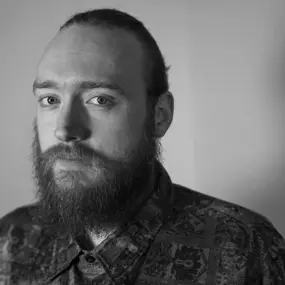
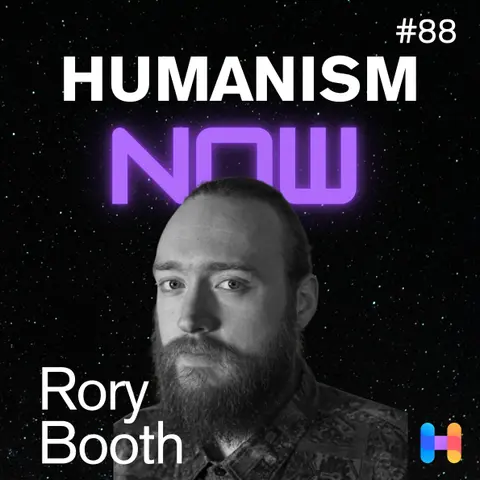
 Historian and filmmaker Rory Booth on 19th century bohemianism, the 1990s rave scene, and what running a humanist group has in common with starting a scene.
Support Humanism Now & Join Our Community!
"It's harder for the mass market to hit a moving target." — Rory Booth Punks had the mohawk. Ravers had the warehouse. What does humanism have?
Historian and filmmaker Rory Booth studies how subcultures form, thrive and die, from 19th century Parisian bohemians to the British rave scene of the 1990s. He is also a founding member of Leicester Humanists. In this episode, we ask whether humanism qualifies as a subculture, and what organisers can steal from scenes that got it right.
Rory argues that the visual definition of subculture, all style and shock, has been overplayed. What actually holds a scene together is language, humour, and above all space: the shared understanding that in this room, with these people, you are allowed to be a slightly different version of yourself. That, he suggests, is exactly what a humanist group offers, and it is why the venue you pick matters far more than most organisers realise.
We also get into the life cycle problem. A subculture dies the moment the mainstream understands it, or worse, misunderstands it. So is being small and slightly illegible an advantage? And has the internet, with its infinite choice and its everyone-is-a-creator economy, made real subcultures impossible?
Rory Booth is a historian and filmmaker specialising in cultural and urban history, with a focus on 19th century bohemianism and the 1990s rave scene. He is a founding member of Leicester Humanists, where he leads on events and works on school speaking and interfaith engagement. He also plays in punk and noise rock bands.
In this episode
- Definitions of subculture as style, and why Rory thinks the visual emphasis has been overdone
- Why a scene often dies the moment the mainstream can name it, and what that means for a movement trying to grow
- Frame analysis, and the practical reason your venue changes what people feel able to say
- Did the internet killed the subculture? Too much choice, no physical presence, and a scene where everyone is a creator and nobody is the audience
- Hard-won advice for anyone starting or running a local group
Links and references
- Leicester Humanists: https://humanists.uk/local-group/leicester/
- Find your local humanist group (Humanists UK): https://humanists.uk/community/local-humanism/
- Dick Hebdige, Subculture: The Meaning of Style (1979): https://www.routledge.com/Subculture-The-Meaning-of-Style/Hebdige/p/book/9780415039499
- Erving Goffman, Frame Analysis (1974) and The Presentation of Self in Everyday Life
- E. M. Forster, Howards End, chapter 9, source of the "conversational hare": https://www.sparknotes.com/lit/howardsend/full-text/chapter-9/
- Leicester Secular Hall, the world's first purpose-built secular hall: https://heritage.humanists.uk/leicester-secular-hall/
Related Humanism Now episodes
- Nicole Shasha, Rory's co-founder at Leicester Humanists, has appeared on the show several times, including Ep. 014, Ep. 019 and Ep. 059.
Chapters:
00:00 Rory Booth on Exploring Subcultures: Definitions and Context
08:00 The Role of Subcultures in Society
13:38 Humanism as a Subculture
18:43 The Impact of the Internet on Subcultures
25:43 Creating and Sustaining Subcultures
31:40 Reflections on Change and Growth
Humanism Now is produced by Humanise Live a podcast production agency based in London, serving charities, companies, and individuals across the globe.
Contact us to get starting in podcasting today at humanise.live or hello@humanise.live
Music: Blossom by Light Prism
Podcast transcripts are AI-generated and may contain errors or omissions. They are provided to make our content more accessible, but should not be considered a fully accurate record of the conversation.
Learn more about your ad choices. Visit megaphone.fm/adchoices