
 Apple Podcasts
  Spotify
  Amazon Music
  Podcast Addict
  Youtube Music
  Audible
  Goodpods
  Castbox
  Overcast
  Deezer
  Podchaser
  PlayerFM
  Castro
  TuneIn
 Harvard student and humanist advocate Tess Sumner on Christian nationalism, free expression, and why her generation feels democracy is in crisis.
Support Humanism Now & Join Our Community!
"Evidence is most powerful when it's paired with empathy."
What is it like to come of age when politics has never felt calm? Tess Sumner has spent her entire adolescence inside a permanent sense of political crisis, and she has turned that into advocacy. In this episode, James speaks with Tess Sumner, a Harvard student and humanist writer, about her article "When Christian Nationalism Becomes Public Policy" and what the fight over church and state looks like to the next generation.
We discuss how student accountability gets reframed as "religious discrimination", why so many young people feel exhausted and cynical about democracy, how the threat of doxxing and backlash quietly polices free expression, and why Tess believes humanism has a genuinely hopeful offer for Gen Z.
About the guest
Tess Sumner is a student at Harvard University studying government and English, and a youth advocate from New Hampshire focused on child welfare policy and church-state separation. A former intern with the American Humanist Association, she wrote the widely shared article "When Christian Nationalism Becomes Public Policy" for The Humanist.
In this episode
- What a University of Oklahoma essay controversy reveals about how accountability gets reframed as religious discrimination
- Coming of age in permanent political crisis: why many in Gen Z feel exhausted, cynical and unsure what a functioning democracy looks like
- How the threat of doxxing and backlash quietly polices free expression, and what humanism offers as a response
Chapters
00:00 Introduction: meet Tess Sumner 01:32 The article, and the Oklahoma essay controversy 05:31 Coming of age in constant political crisis 07:21 Where a disillusioned generation turns 08:51 Christian nationalism and the threat to democracy 10:59 Young Christian influencers and who they represent 13:08 What humanism offers Gen Z 14:34 Making the humanist case better 15:34 Where humanism meets everyday life 17:09 Self-policing and the chilling of free expression 19:23 Doxxing, threats and real-world consequences 23:59 How to resist: dialogue and rebuilding institutions 26:30 What's next for Tess 27:55 A vision for the future 28:46 Closing question: changing her mind
Links and references
- Tess Sumner, "When Christian Nationalism Becomes Public Policy" (The Humanist): https://thehumanist.com/news/national/when-christian-nationalism-becomes-public-policy
- Tess Sumner, contributor page at The Humanist: https://thehumanist.com/contributor/tess-sumner/
- American Humanist Association: https://americanhumanist.org
Support Humanism Now & Join Our Community!
www.humanism.now Follow @HumanismNowPod | YouTube | TikTok | Instagram | Facebook | Threads | X.com | BlueSky
Humanism Now is produced by Humanise Live, a podcast production agency based in London, serving charities, companies, and individuals across the globe. Contact us to get started in podcasting today at humanise.live or hello@humanise.live.
Music: Blossom by Light Prism
Podcast transcripts are AI-generated and may contain errors or omissions. They are provided to make our content more accessible, but should not be considered a fully accurate record of the conversation.
Learn more about your ad choices. Visit megaphone.fm/adchoices
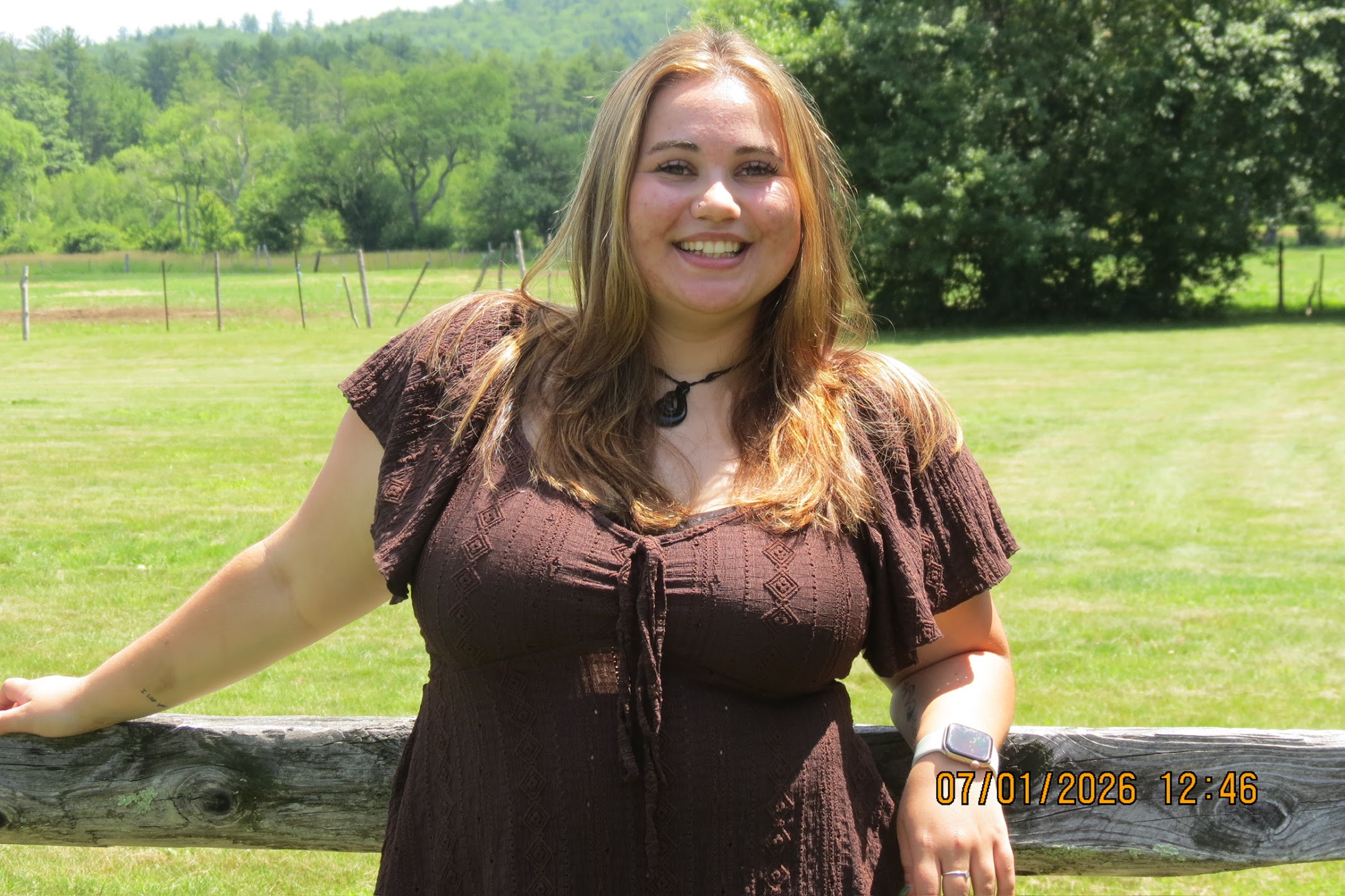
Tess Sumner is a Harvard College student studying Government and Global Health and a youth advocate from rural New Hampshire. Her work focuses on student well-being, child-welfare policy, public health, and creating institutions that respond to vulnerable people with both evidence and compassion. At Harvard, she leads student wellbeing initiatives and advocates for policies that make campus life more supportive and equitable. She is also a writer whose essays explore mental health, education, home, relationships, and the complicated process of growing into oneself.
Tess’s humanism is rooted in fairness, critical thinking, empathy, and a belief in the shared dignity of every person. Drawing on her experiences in a close-knit rural community and at Harvard, she is especially interested in how young people can influence public life, challenge misinformation and polarization, and help build more humane institutions.